

Tax Bucketing: How Tax Diversification Can Save You Tens of Thousands of Dollars — or More
Retirement? Exciting!
Taxes? Painful.
But if you aren’t prepared to handle taxes in retirement (or just decide not to put any thought into them because they’re painful), you stand to miss out on massive tax savings – tens or hundreds of thousands of dollars - and possibly never even realize that you did.

The Widow's Financial Checklist: What To Do Now, and What Can Wait
When you lose your spouse, that loss comes with a long list of financial tasks you've probably never had to think about before, at a time when things already feel extraordinarily difficult.
You'll need to track down accounts, claim benefits, and file more paperwork than you'd expect, all while completely overwhelmed. This financial planning checklist for widows follows the order things actually need to happen in: what to handle in the first few weeks, what to handle in the following months, and which decisions you can make later.
Here's what needs attention, and what can wait.
Financial Advisor for Widows: How to Find the Right Fit After Loss
Losing a spouse often means taking over financial decisions that used to belong to someone else - sometimes with little warning, and sometimes with very little background in how any of it works. If you're searching for a financial advisor for widows, you're looking for someone who can help you make those decisions well, at a pace that works for you, while you're grieving.
Here's what to look for, what to watch out for, and what a good first meeting looks like.

Scammers Are Targeting Widows After Loss. Here’s How To Protect Yourself.
You don’t need to hear from me that grief is complex. There’s not a right way to grieve, and it doesn’t show up in ways most people would have expected before living in it.
The “widow’s fire” – a sudden or intense desire for physical intimacy after the death of a partner – is another manifestation of grief. Griefspecialists.com puts it well: “physical intimacy is not separate from grief. For many couples, touch, closeness and connection are central parts of the relationship.” The body doesn’t simply switch that off when a relationship ends.
Unfortunately, it’s times when we’re most vulnerable that we’re most likely to be taken advantage of.

I’ve Lost My Spouse. Should I Change Anything About My Investments?
A common question we get from widows after they lose a spouse is, “should I change anything about my investments?” It’s a great question, and the answer isn’t always straightforward or obvious.
There can be a feeling of urgency to make sure everything is set up exactly the right way after losing a spouse. Some people feel like they need to make quick changes, out of fear that if they don’t act now, something will go wrong. Others take the opposite approach, and change nothing - for years - partly out of grief, and partly because it’s overwhelming.
Neither extreme serves you well. We’re going to talk about what should take priority about investments, and what can wait.

How Long Will You Live In Retirement?
When someone retires today, they burden is on the worker to ensure their assets are enough. What’s “enough” can vary dramatically from person to person, especially when you factor in longevity - especially a longevity projection based on your unique health and family history.
Social Security in Retirement: Filing, Timing, & Strategies
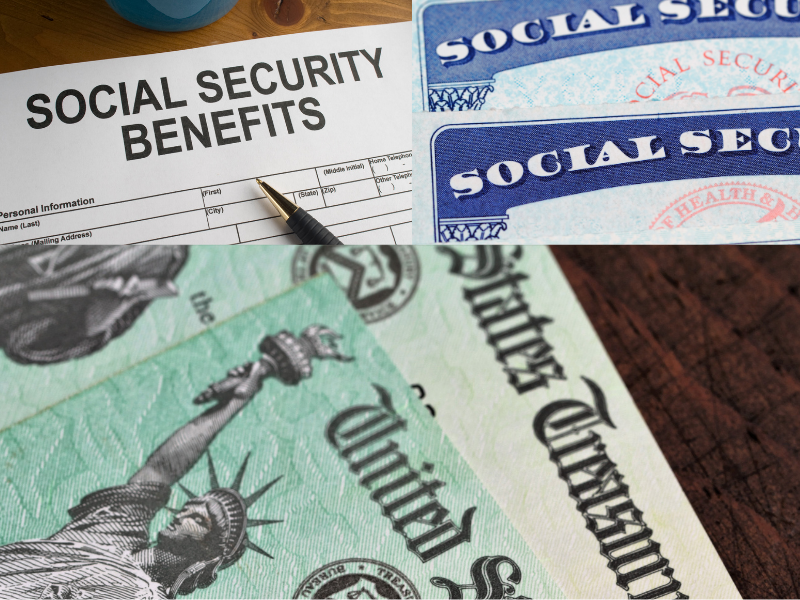
Retirement is approaching, and it’s time to start thinking about income without a full-time job. One of the income sources that’ll provide a steady, predictable stream of monthly income: Social Security.

Building Your Retirement Plan in 4 E.A.S.I. Steps
When it comes to retirement planning, it can be difficult to know where to begin. Many people avoid retirement planning because they are afraid to see that they aren’t on track or are worried about making mistakes in the process. Fortunately, there’s hope - even for the novice investor or person who’s just not good with numbers.

Medical Tourism for Americans: A Financial Planner's Guide to Getting Care Abroad
More than 3 million Americans travel abroad for medical care each year. This guide covers who it actually makes sense for, which procedures travel well, what it costs, and how to find facilities you can trust.
Health Insurance After Death of A Spouse: Your Options, Deadlines, and Next Steps
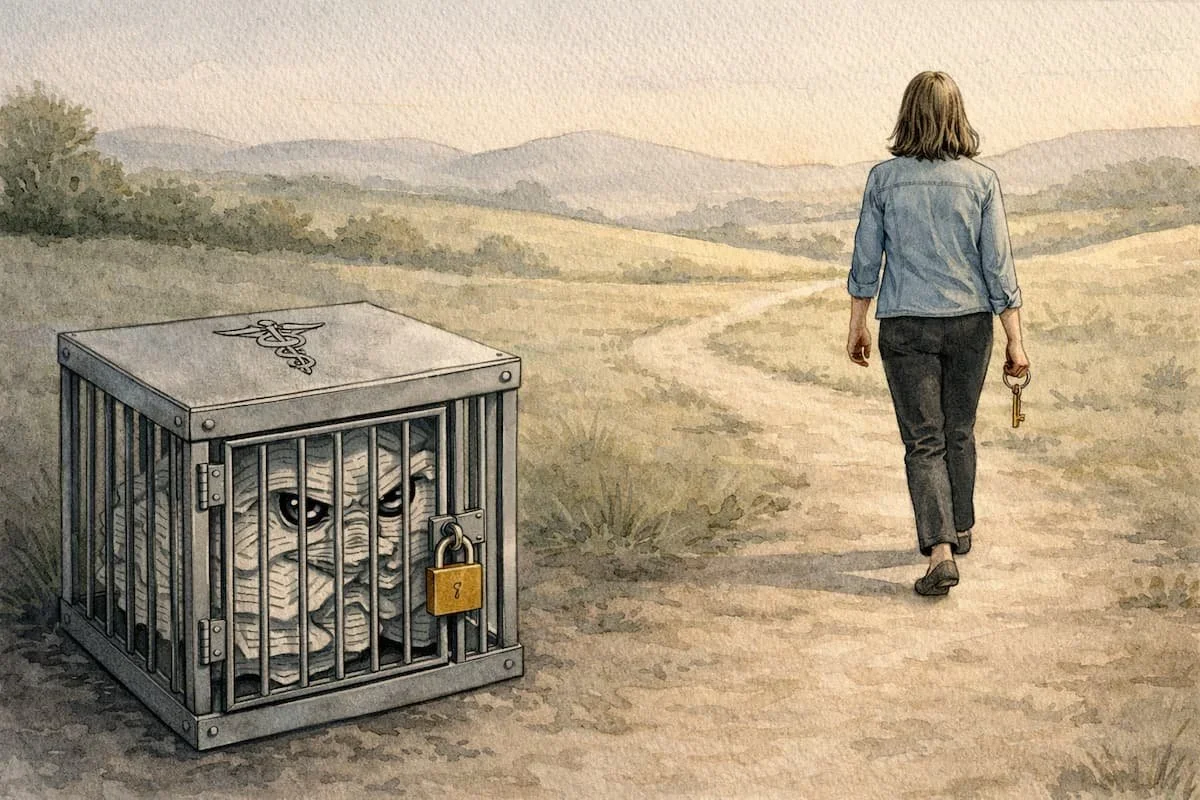
Lost your spouse's health coverage? Learn your COBRA, Affordable Care Act (ACA) Marketplace aka Obamacare, CHIP, and Medicare options - and their deadlines.
What to Do With Life Insurance Money After Your Spouse Dies
You weren't expecting to be here. Nobody is.
At some point in the last few weeks or months, a check arrived — or a wire transfer, or a letter explaining that funds were on their way. A life insurance payout after your spouse died. Maybe it's more money than you've ever seen in one place. Maybe it feels surreal, because accepting it means accepting everything that came with it.
Nobody prepared you for this moment. And now everyone seems to have an opinion about what to do with life insurance money after a spouse dies.

Inherited IRA Rules for Spouses: Should You Roll It Over or Keep It?
Losing a spouse is an emotionally challenging experience. On top of grief, you have financial decisions to make. If you have inherited an IRA from your spouse, you have options to consider that can impact your financial future. Understanding when to opt for an inherited IRA versus rolling it into your own IRA can help you make the best decision for your circumstances while maximizing tax efficiency.

Sequence of Returns: Why Timing Matters in Retirement Planning
When planning for retirement, most people focus on how much they need to save, the rate of return they might expect, and how much they’ll have once they retire. However, like descending a mountain after a climb, withdrawing money in retirement requires an entirely different set of skills and presents an entirely new set of perils to be aware of, especially sequence of returns. This concept can significantly impact how long your retirement nest egg lasts, especially when you start withdrawing money.

Retiring with Debt: What You Need to Know
Retirement is often seen as a time of relaxation and financial freedom, but for many, carrying debt into retirement is becoming increasingly common. The question is: is it good or bad to retire with debt? And how many people are actually doing it? In this blog post, we’ll explore the implications of retiring with debt, the types of debt most retirees carry, and strategies for managing it effectively.