Financial Advisor for Widows: How to Find the Right Fit After Loss
Introduction
Losing a spouse often means taking over financial decisions that used to belong to someone else - sometimes with little warning, and sometimes with very little background in how any of it works. If you're searching for a financial advisor for widows, you're looking for someone who can help you make those decisions well, at a pace that works for you, while you're grieving.
Here's what to look for, what to watch out for, and what a good first meeting looks like.
What Widows Actually Need From an Advisor
Financial advice is about more than just investments. It's not that investments aren't important - it's just that they might not be the ones that deserve immediate focus. For a widow, the more immediate questions are usually things like:
Am I going to be okay?
What do I do next?
How do I know if I'm making the right financial choices?
What important things am I simply not thinking about?
Part of answering those questions well is knowing what actually needs attention right away, and what can wait. We wrote about what to prioritize with your investments after losing a spouse- beneficiary designations and account titling usually need attention soon, while big, irreversible decisions like selling everything, moving to cash, or making a large gift or purchase almost never need to happen right away. Rushing them can do more harm than good.
An advisor who specializes in working with widows understands that not rushing is important, and can help you prioritize what needs the most attention right now.
What to Look For in a Financial Advisor for Widows
Experience Working With Widows
Ask directly: "How many widowed clients have you worked with?" Advisors who've done this work before will ask different questions during that first meeting, and will be comfortable when the conversation turns to your late spouse instead of staying strictly on numbers.
A Financial Advisor For Widows Should Go At Your Pace
Grief might just be the biggest variables in your timeline. Some widows want to dive into the details right away, while others want to wait a few months before making any decisions. A good advisor checks in on how you're feeling and asks where you're at, rather than assuming they’re moving at a comfortable pace for you.
Willingness to Talk About the Non-Financial Stuff
Longevity, health history, and family circumstances all shape a retirement plan, and loss changes those inputs. We've written before about how family history and lifestyle affect how long retirement needs to last, and that conversation matters even more when you're planning as an individual instead of a couple.
How They're Compensated
This one applies to finding any financial advisor, not just one who works with widows, but it's still worth asking. Advisors get paid in different ways - fee-only, fee-based, or commission - and it's worth understanding which applies to you and whether they act as a fiduciary at all times.
Red Flags to Watch For
Losing a spouse can unfortunately make you a target for romance scammers or financial salespeople who see grief as an opportunity. Some things to watch for:
Pressure to move quickly. If someone is pushing you to transfer accounts, buy an annuity, or make a big decision within your first meeting, that's a signal to walk away.
Vague answers about how they're paid. You should be able to get a straight answer about commissions, fees, and any conflicts of interest.
Discomfort talking about your spouse. If an advisor seems eager to move past the personal details and straight into products, that's worth noticing.
Isolation tactics. This one's more common in romance scams than financial advisory relationships, but it applies here too - anyone discouraging you from talking to family, friends, or a second opinion before signing something is a red flag. We go into more detail on this pattern in our post on scammers targeting widows.
Questions to Ask a Prospective Advisor
Bring these to a first meeting, whether it's with us or someone else:
How many widowed or widowered clients have you worked with?
What's the first thing you'd want to address with my accounts, and why?
"I might need to slow down sometimes while I work through this - is that okay?" A good advisor will answer this with warmth and understanding, not just reassurance. You should feel heard.
What does your ongoing communication look like - calls, emails, in-person meetings?
How are you compensated, and are you a fiduciary at all times?
Be conscious of how they answer, not just what they say. Watch for whether they slow down and actually answer. If they quickly rush past answering a question, that could be a red flag.
Bottom line: trust your gut here. If something feels off, don’t feel like you need to move forward.
What a Good Discovery Meeting Looks Like
A good first meeting, often dubbed a Discovery Meeting, starts with getting to know you, understanding where you’re at and what you’ve accomplished, and hearing what’s most important to you. The rest works like an inventory: what accounts exist, what's already been handled, which beneficiary designations need updating, and what timeline makes sense for everything else. Decisions about your actual investments can wait for a later conversation, once you have the full picture in front of you.
It's also fine to bring someone with you - an adult child, a sibling, or a friend. If you feel more comfortable going into a meeting with someone you trust, that’s okay, and a good advisor will welcome it.
Why We Do This Work
We decided to focus on helping widows after two of our long-time clients lost their spouses within a short period of each other. I've been working with widows since 2011, and seeing them feel some reassurance during such a difficult time brings me a lot of meaning. We've worked with dozens of widows over the years, so we understand the importance of meeting you exactly where you are, and moving at a speed that makes sense for you.
Where to Go Next
The right financial advisor for widows will slow down when you need to slow down, work with you get things done when you feel ready, and help you prioritize based on your needs and real-world deadlines.
Check out (and bookmark) our free resources for widows page, and other blog posts for widows going through this.
When you’re ready, you can schedule a free intro call with Scot and Lindsey.

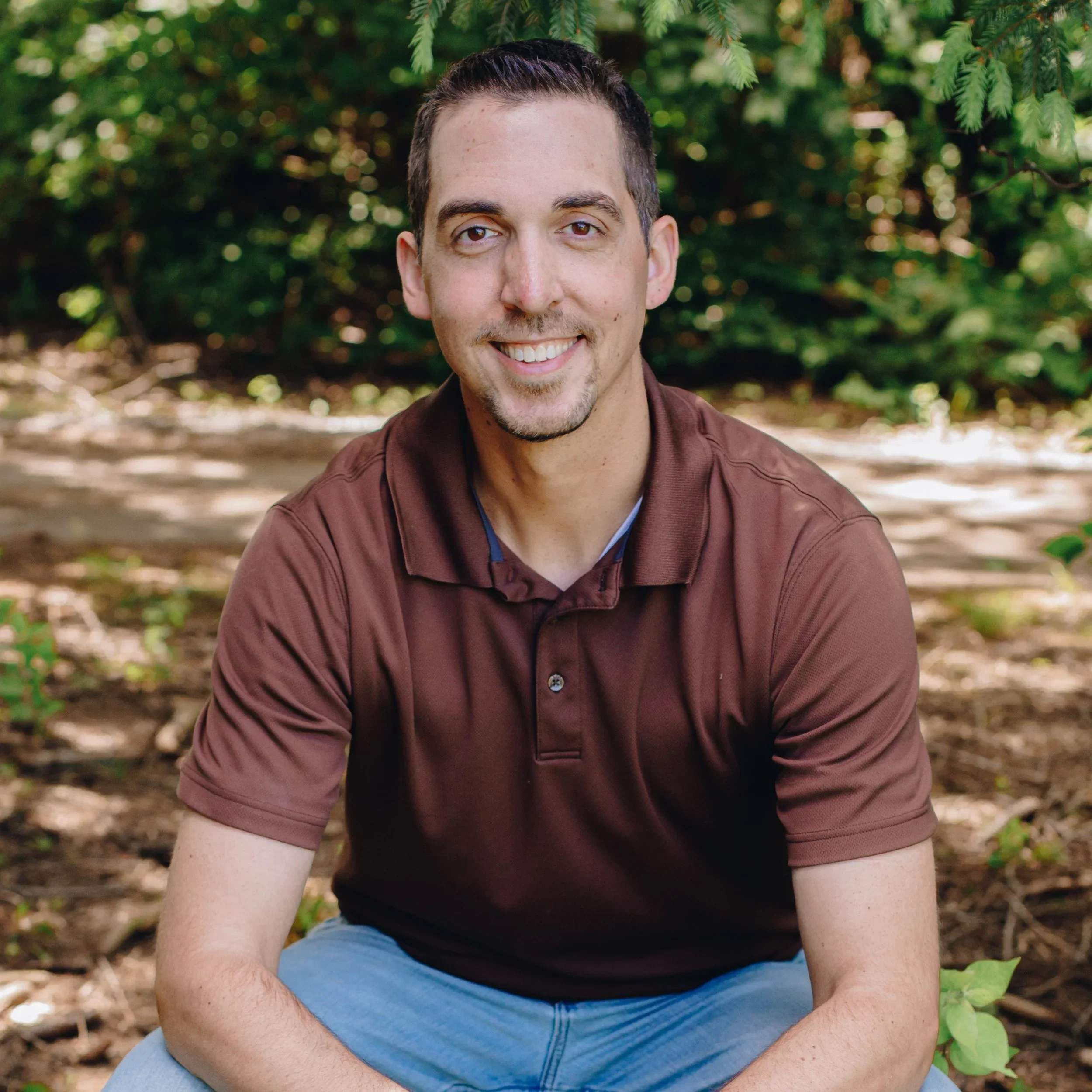
Scot Whiskeyman, CFP® and Lindsey Ciarrocca, CMC® are independent, fiduciary financial planners - and husband and wife - who help widows navigate the complex financial decisions that follow the loss of a spouse, with a $500,000 minimum in investable assets.
These content were created with the assistance of AI drafting and manually edited where necessary. This article is for informational and educational purposes only and does not constitute financial, investment, tax, or legal advice. Providers & Families Wealth Management is not affiliated with, and does not endorse, sponsor, or guarantee the accuracy, completeness, or reliability of any third-party websites, tools, or calculators referenced herein. Use of any such tools is at your own discretion and risk. Investing involves risk, including the possible loss of principal, and past performance is not indicative of future results. Information is provided "as is" without warranty of any kind.